Keeping Solar Panels Healthy in Salt Air: A Coastal Baja Maintenance Guide
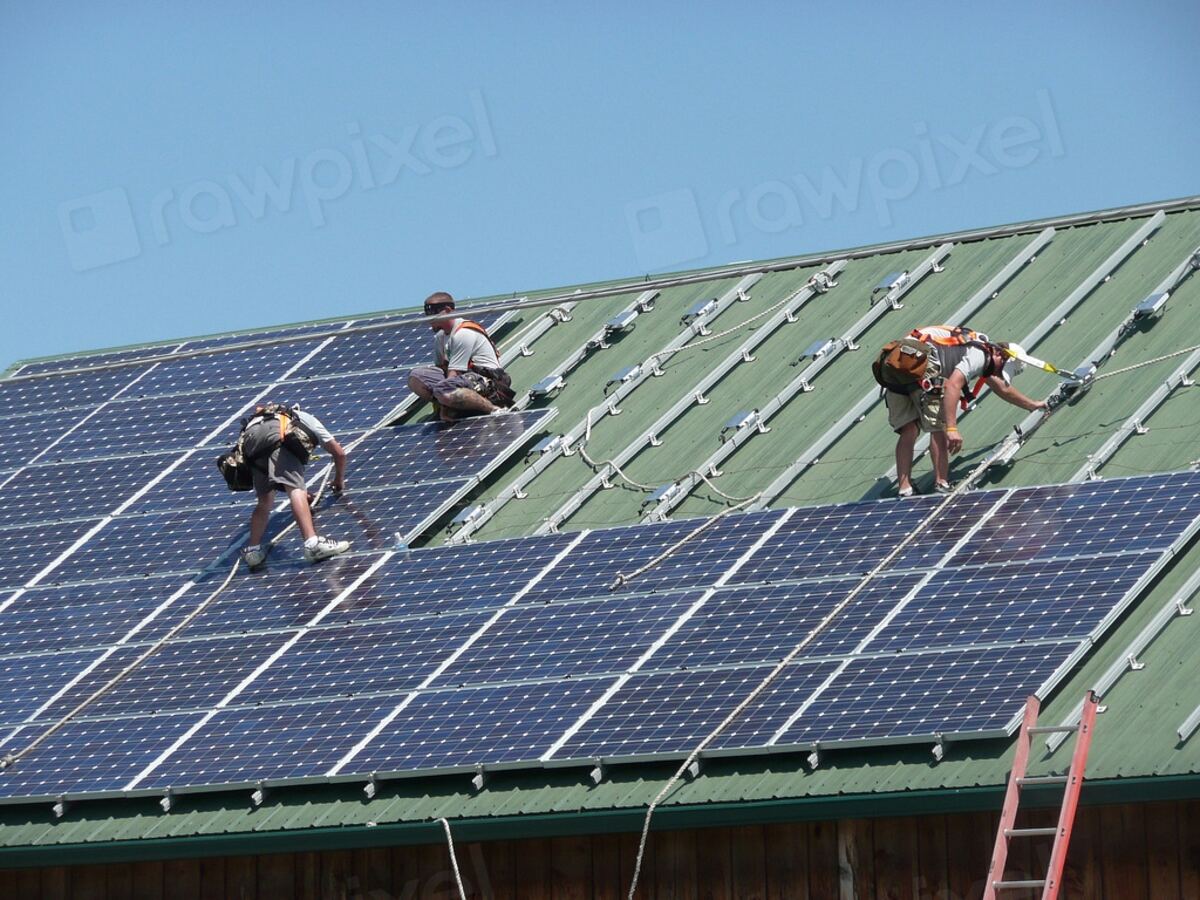
Solar panels have no moving parts, and in most climates you can nearly ignore them. The Baja coast is not most climates. Between Playas de Tijuana and Punta Banda, three things work on your system every day: salt spray, marine fog and dust. Here's the maintenance rhythm that keeps production at spec.
What you can do yourself
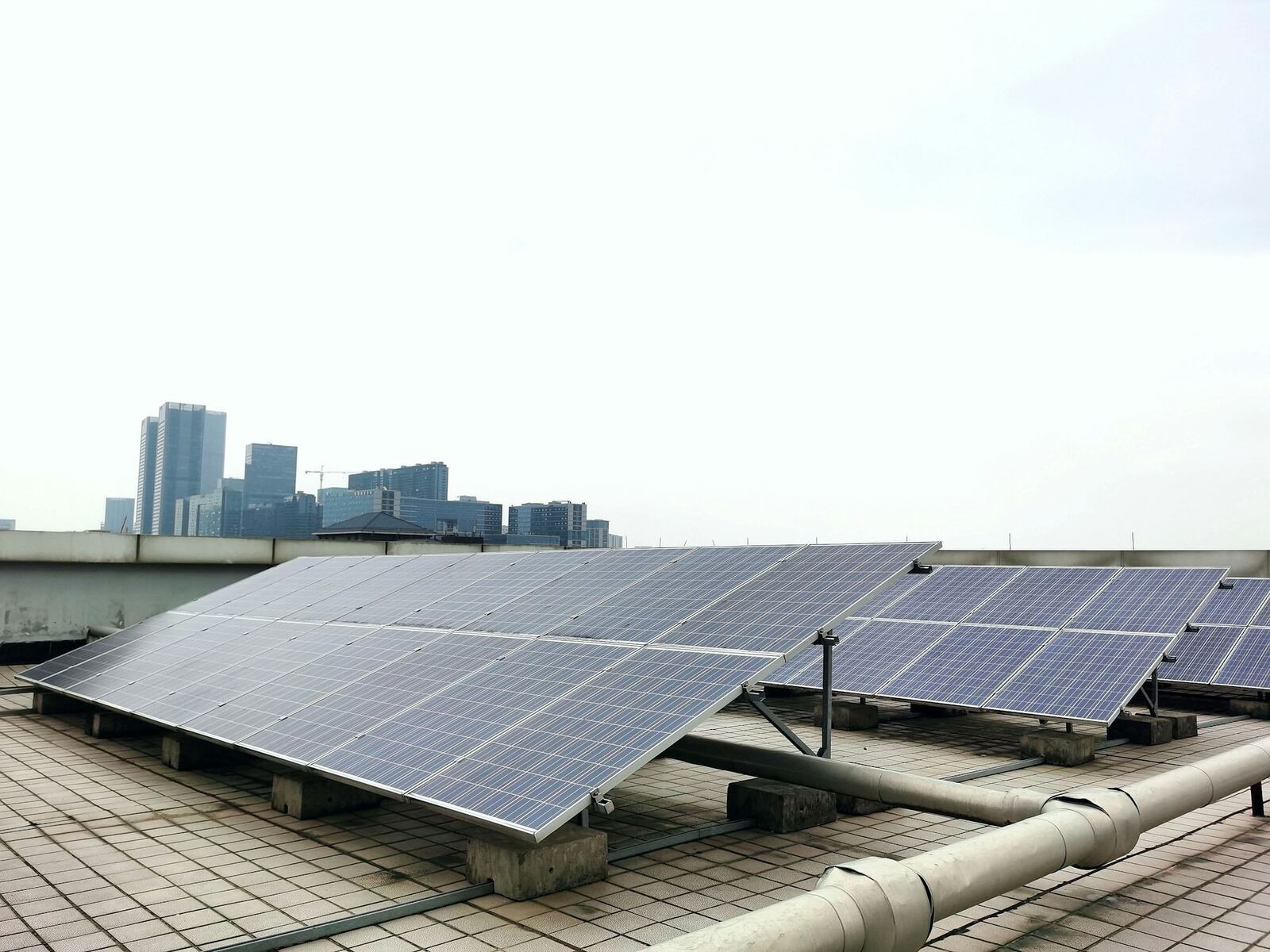
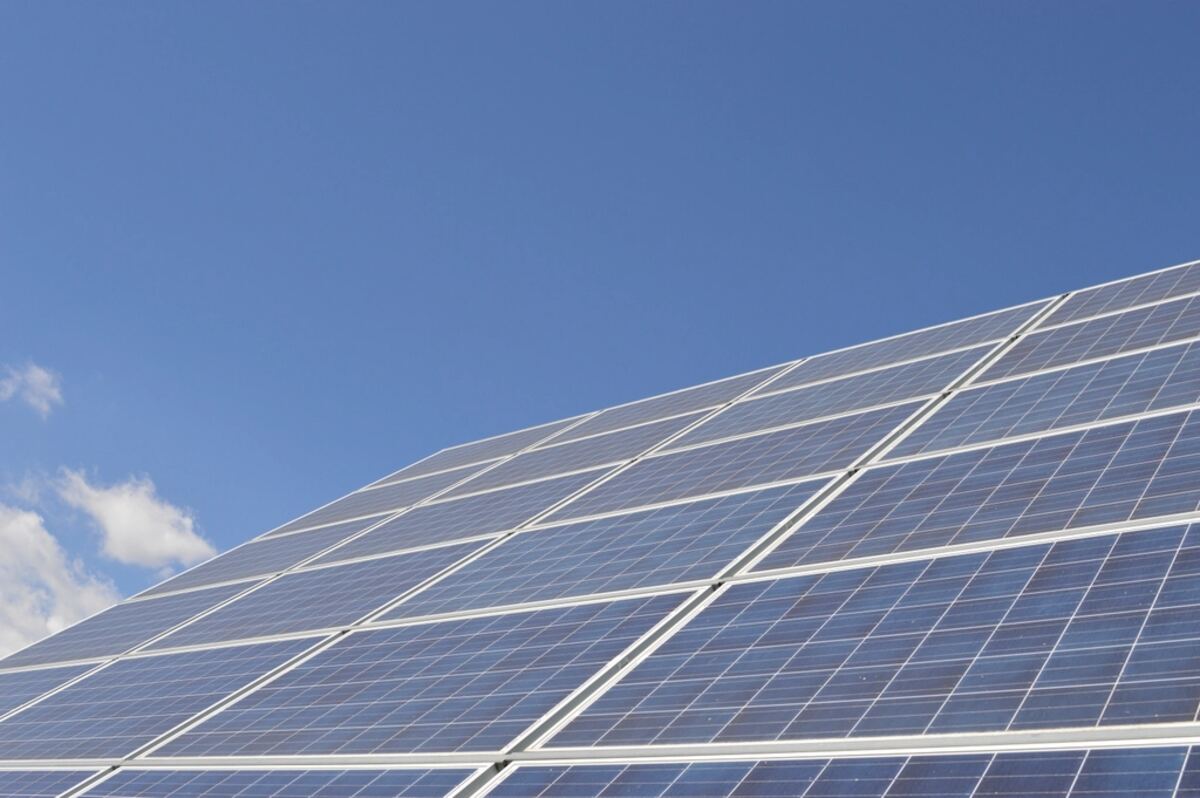
Rinse quarterly, more if oceanfront. Early morning (cool glass), fresh water from a hose, soft brush on a pole if grime is stubborn. Never use detergents, abrasives or pressure washers — a plain rinse recovers most soiling losses, which on the coast can quietly reach 5–15%.
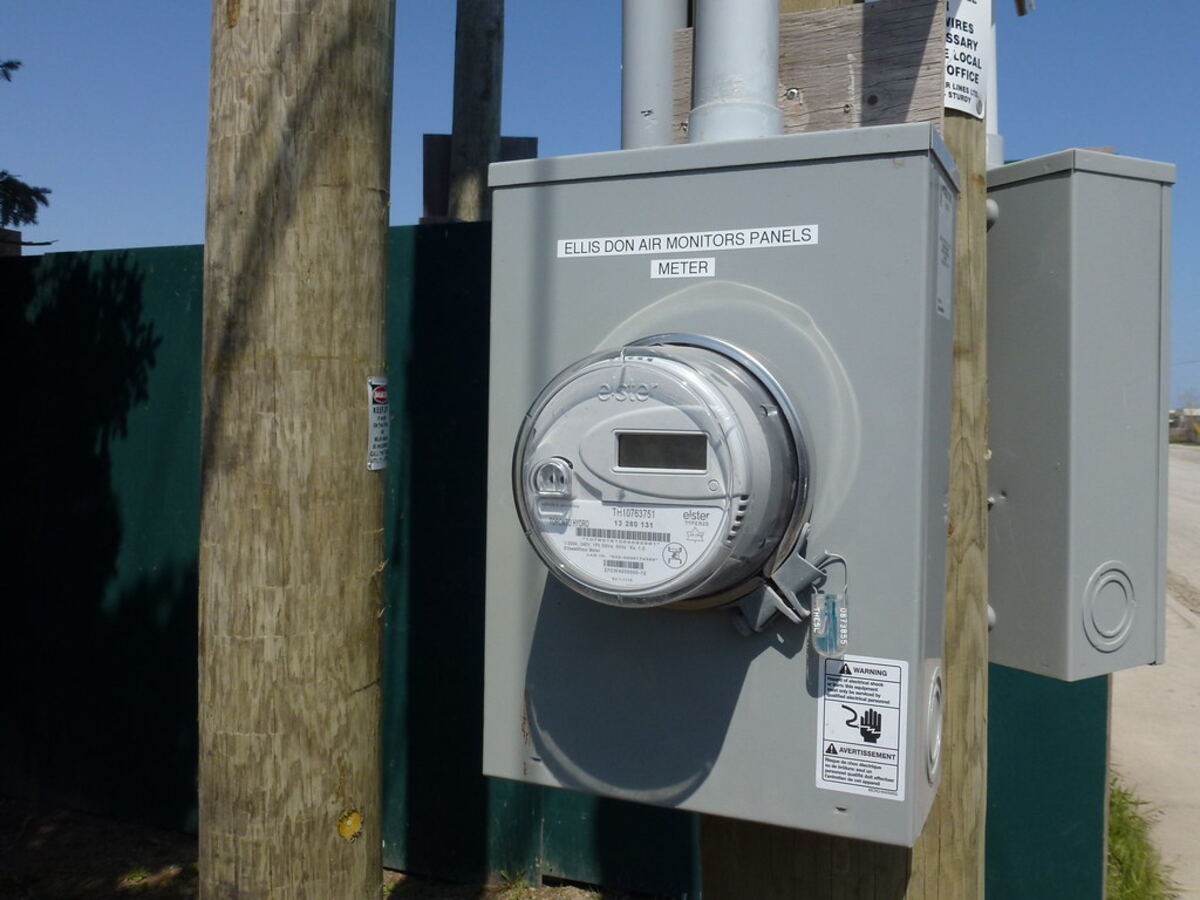
Watch your production app monthly. Every system we install includes monitoring. A panel producing oddly is visible from your phone long before it's visible from the ground — if a string or panel diverges from its siblings, that's a service call, not a mystery.
What a technician should check yearly
- Racking and hardware: torque check and corrosion inspection — stainless hardware resists salt, but nothing ignores it forever
- Connectors and conduit: UV and salt work on seals; a $2 connector failing beats finding out via a burnt string
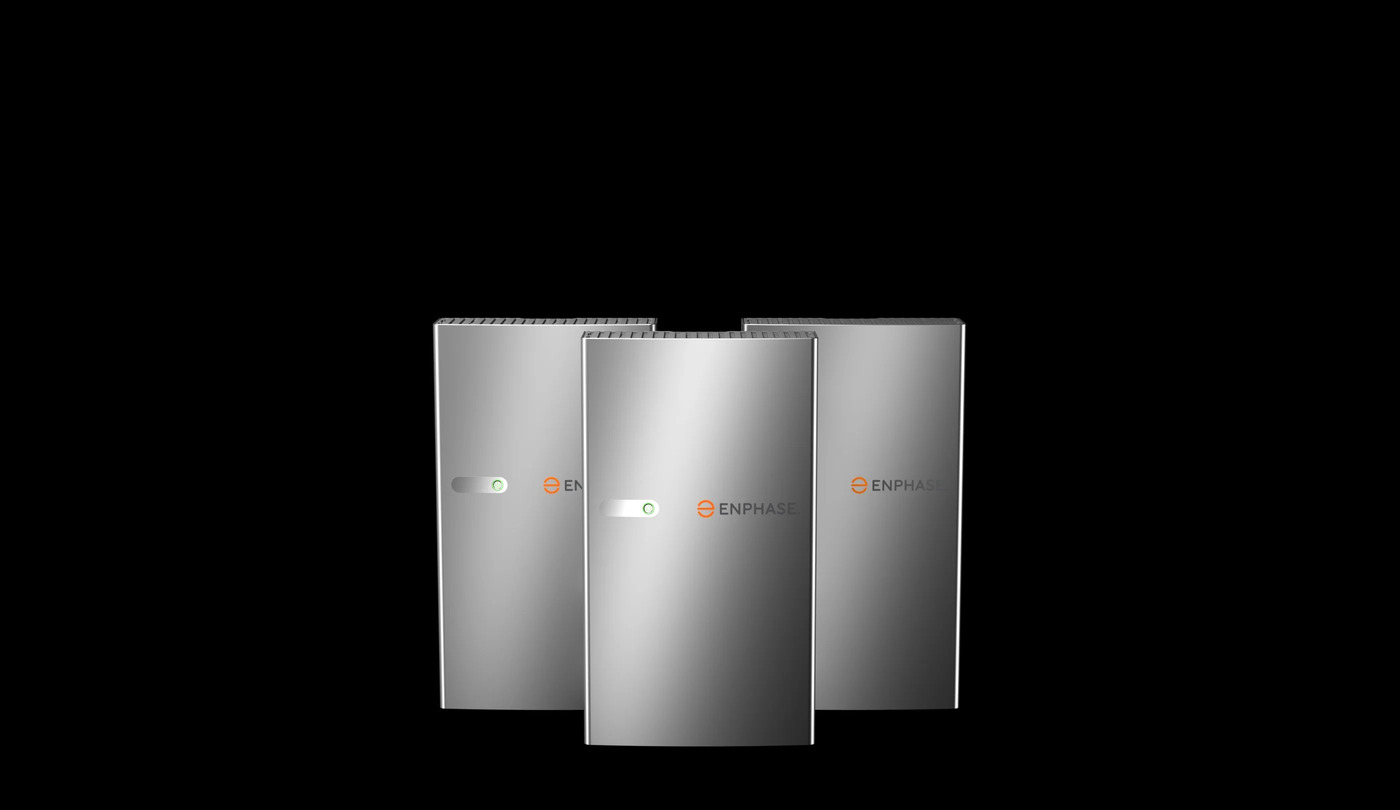
- Inverter and batteries: firmware, fans, terminal condition, capacity test on the bank
- Roof penetrations: sealant condition before the winter rains, not after
The June-gloom question
Every May we get the same call: "my production dropped, is something broken?" Usually not — coastal fog trims spring mornings, and the annual design already accounts for it. Check the app: if the curve is smooth but lower, it's weather; if it's jagged or a panel flatlines, call us.
Solar 1 maintenance plans bundle the annual inspection with priority service — ask about adding one to a new or existing system, including systems we didn't install.