The CFE DAC Tariff, Explained (And How to Escape It)
If your CFE bill suddenly tripled, you didn't do anything wrong — you crossed an invisible line. Here's how the DAC tariff works and how to get back across.
How CFE subsidies actually work
Mexico subsidizes residential electricity heavily — but only up to a monthly consumption threshold that depends on your climate zone. Stay under it and you pay some of the cheapest power in North America. CFE tracks your rolling 12-month average, and once that average crosses your zone's limit, you're reclassified as DAC: Doméstica de Alto Consumo.
What DAC costs you
DAC removes the subsidy entirely and adds a fixed monthly charge. The practical effect: every kilowatt-hour costs roughly three times the subsidized rate. Households that were paying a few hundred pesos suddenly see bills in the thousands — and because the trigger is a 12-month average, one hot summer with the mini-splits running can keep you in DAC all year.
Why coastal Baja falls in so easily
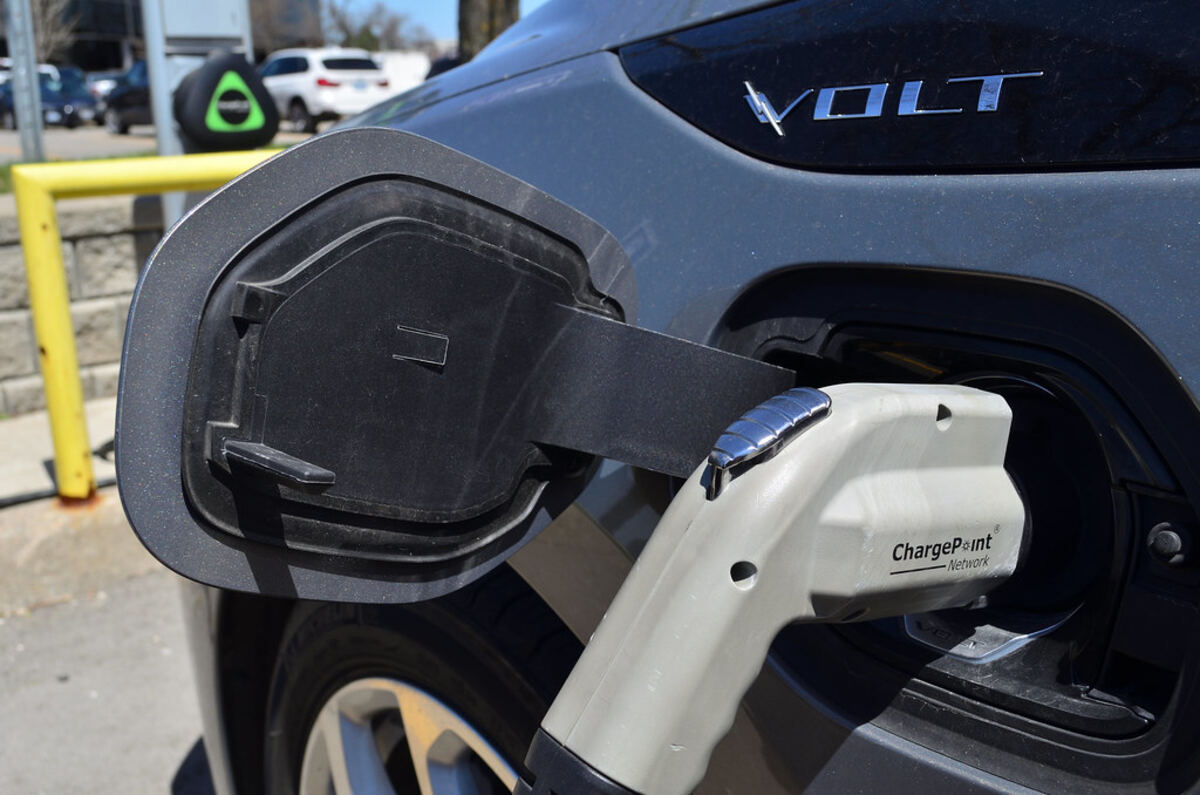
Expat households run American-sized loads: refrigerators plus garage freezers, washer-dryers, home offices, pool pumps, EV chargers. Add a heat wave and the average creeps over the line. We see it constantly in Rosarito's oceanfront communities and Tijuana.
The two ways out
1. Consume less — possible, but nobody moved to the coast to sit in the dark.
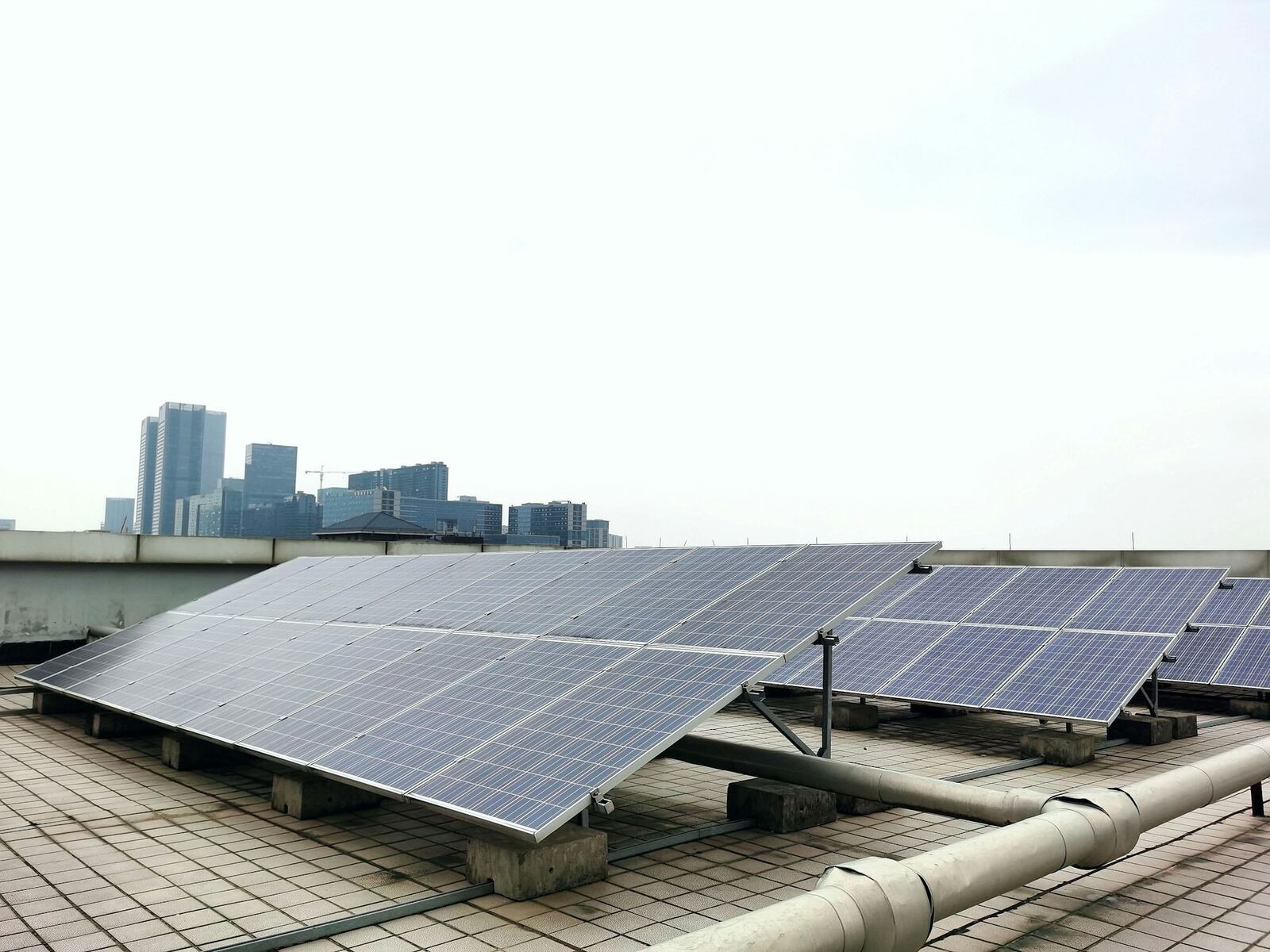
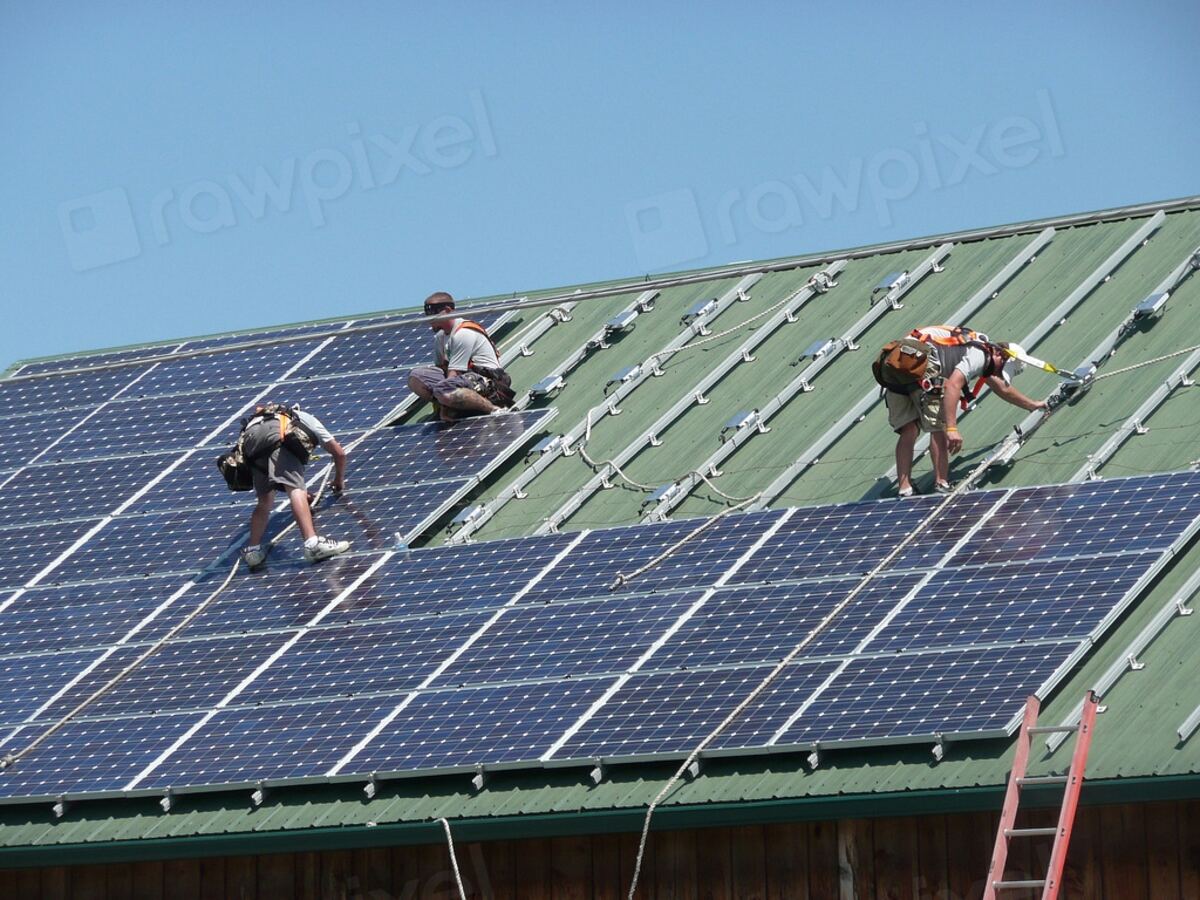
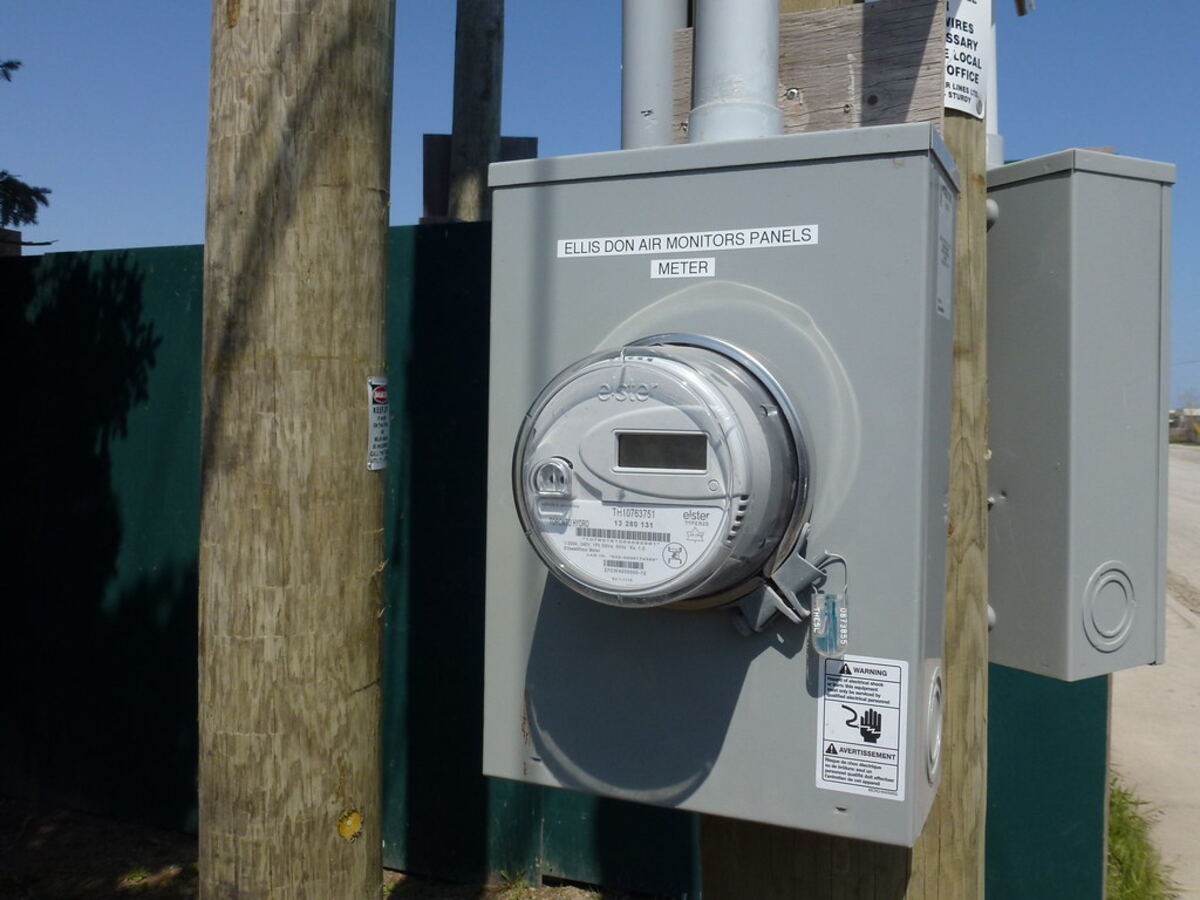
2. Generate your own — with net metering, solar production is subtracted before CFE counts your consumption. Your measured usage drops below the threshold, and after 12 months of low averages, CFE reclassifies you back to the subsidized tariff. You then enjoy a double win: a tiny bill and the subsidy again.
The math is unusually good
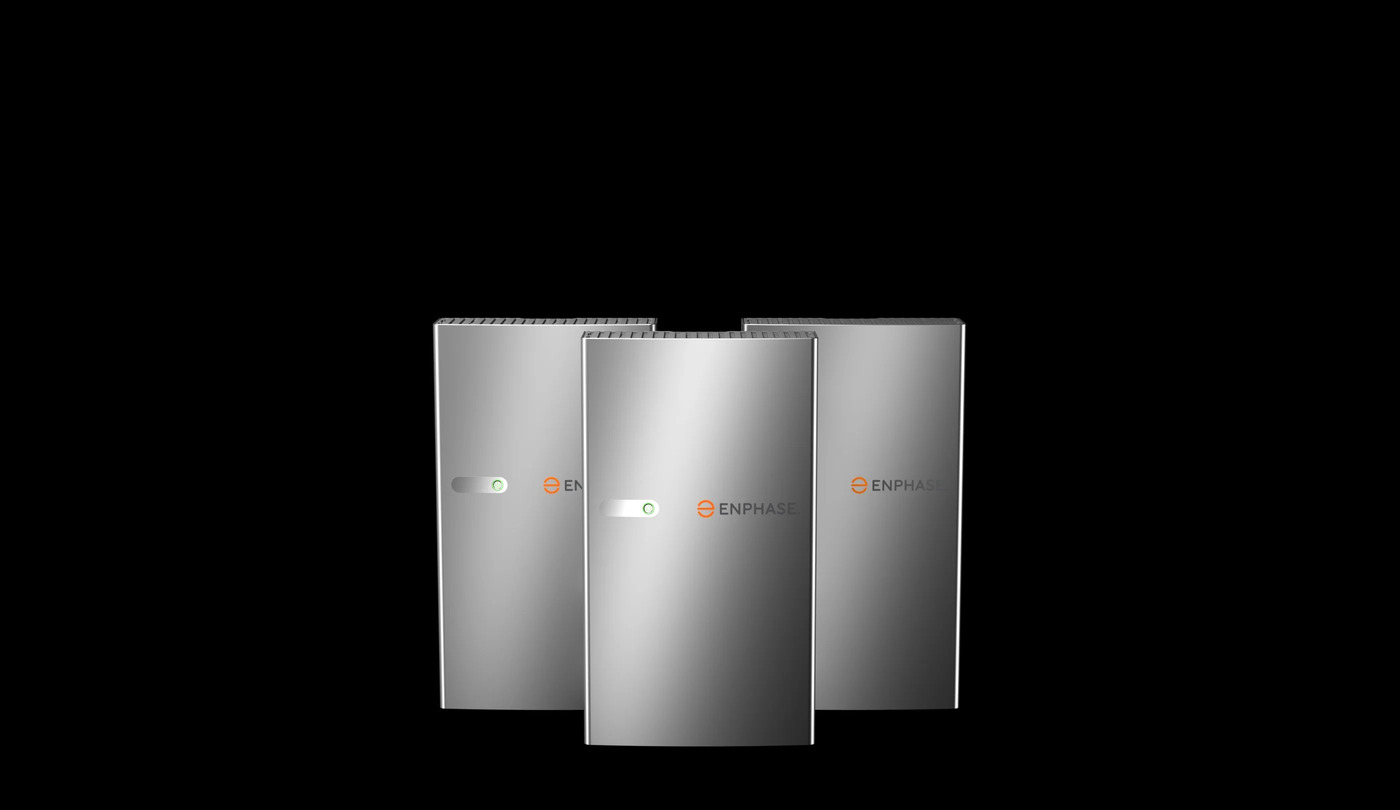
Because solar replaces your most expensive kilowatt-hours first, DAC households get the fastest payback in Mexico — typically 3 to 5 years. Add battery backup and the same system that kills the DAC bill also carries you through CFE's increasingly frequent outages.
Want to know exactly when you'd escape DAC? Send us your bill — the analysis is free.