How to Choose Solar Panels in Baja California
Walk into any solar quote and you'll hear a blizzard of specs: monocrystalline, half-cell, bifacial, 550 W, Tier-1. Here's what actually matters when the panels are going on a roof between the Pacific and the desert.
Monocrystalline is the default — for good reason
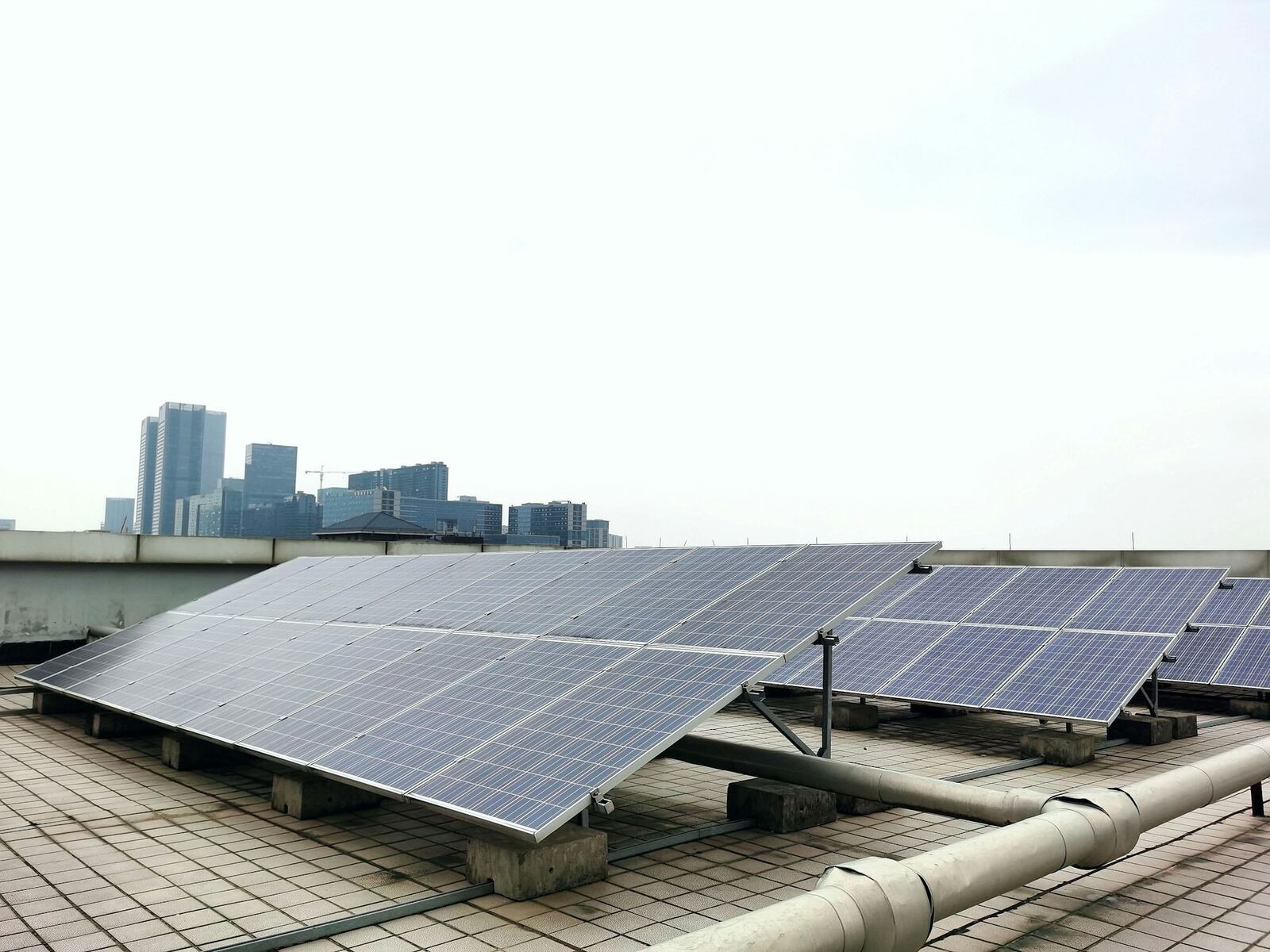
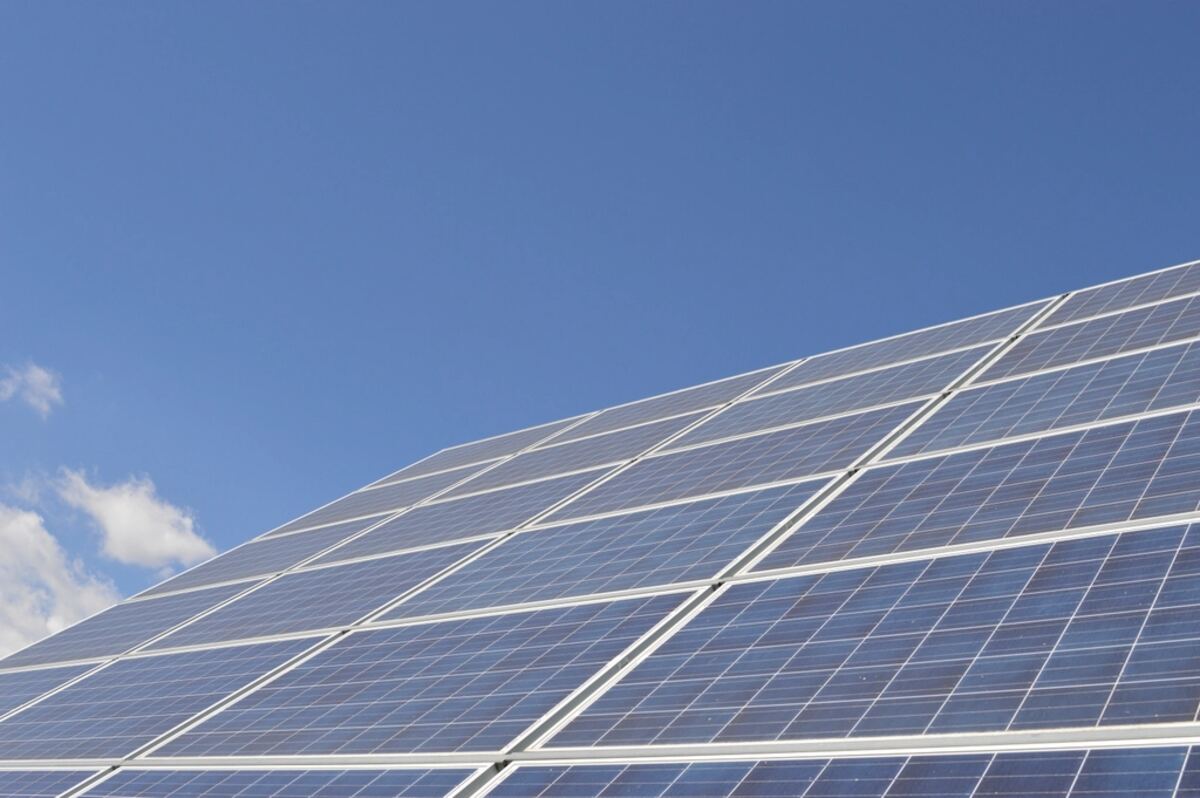
Practically every serious residential install today uses monocrystalline panels. They produce more power per square meter than older polycrystalline designs, perform better in heat, and look cleaner on the roof. Unless you're covering a huge warehouse where space is unlimited, mono is the right answer.
What "Tier-1" really means
Tier-1 is a bankability ranking of the manufacturer, not a quality score of the panel itself. It tells you the factory is financially solid and likely to still exist in year 20 of your 25-year production warranty. That matters: a warranty from a company that disappeared is worth nothing. We install Tier-1 equipment exclusively for exactly this reason.
Wattage: bigger number ≠ better system
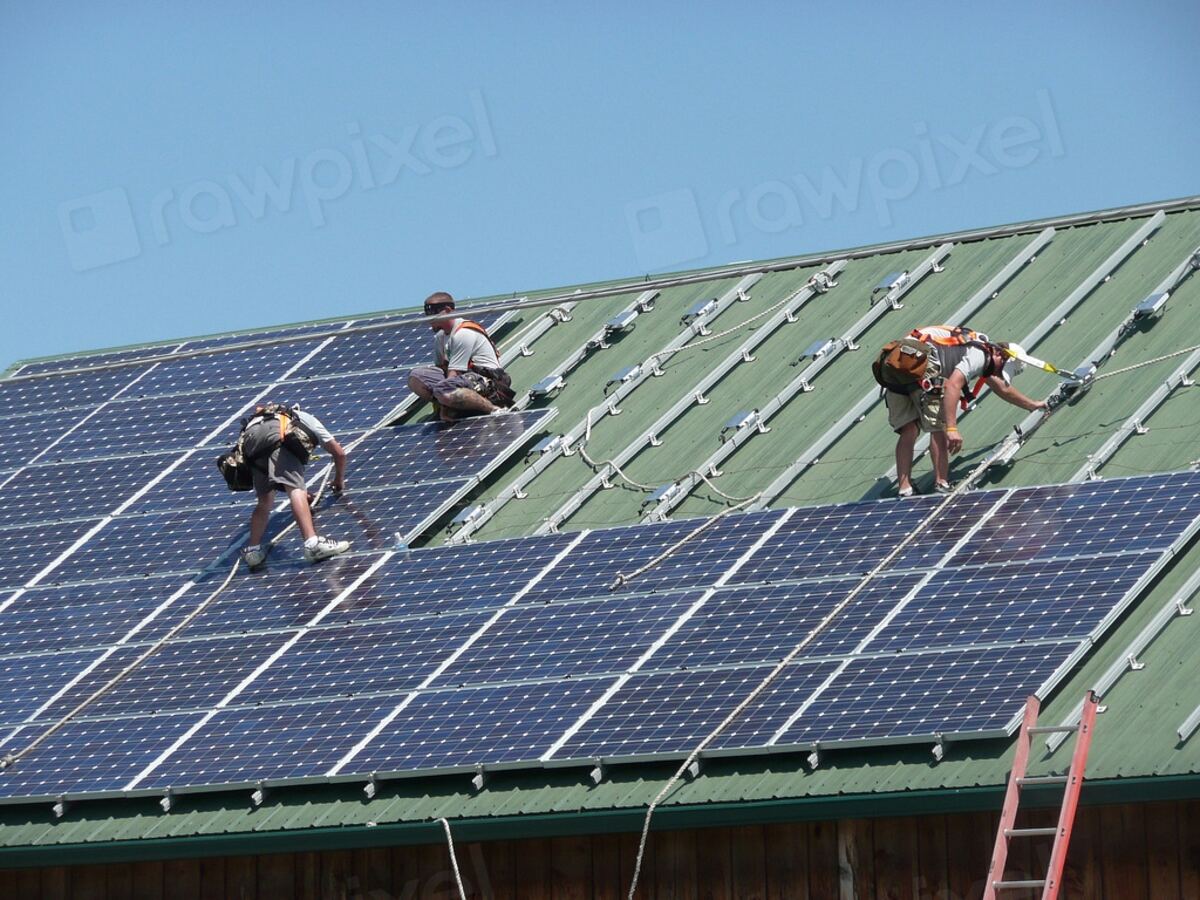
A 550 W panel isn't "stronger" than a 450 W panel — it's usually just physically larger. What matters is total system size matched to your CFE consumption, and whether the panel dimensions actually fit your roof planes. Sometimes twelve smaller panels beat ten big ones on a Baja roof with vents, tinacos and odd angles.
The coastal factor
Between Playas de Tijuana and Ensenada, salt air is the silent spec sheet. Look for panels certified for salt-mist corrosion (IEC 61701) and — just as important — marine-grade racking and stainless hardware. A great panel on corroding rails is a bad system. This is exactly why our installations use coastal-rated mounting throughout the corridor.
Not sure what fits your roof and your bill? Send us a photo of your CFE recibo and we'll size it for free — get a quote.