CFE Net Metering, Explained in Plain Language
Net metering is the contract that makes grid-tied solar profitable in Mexico. It sounds bureaucratic; it's actually a simple trade.
The basic deal
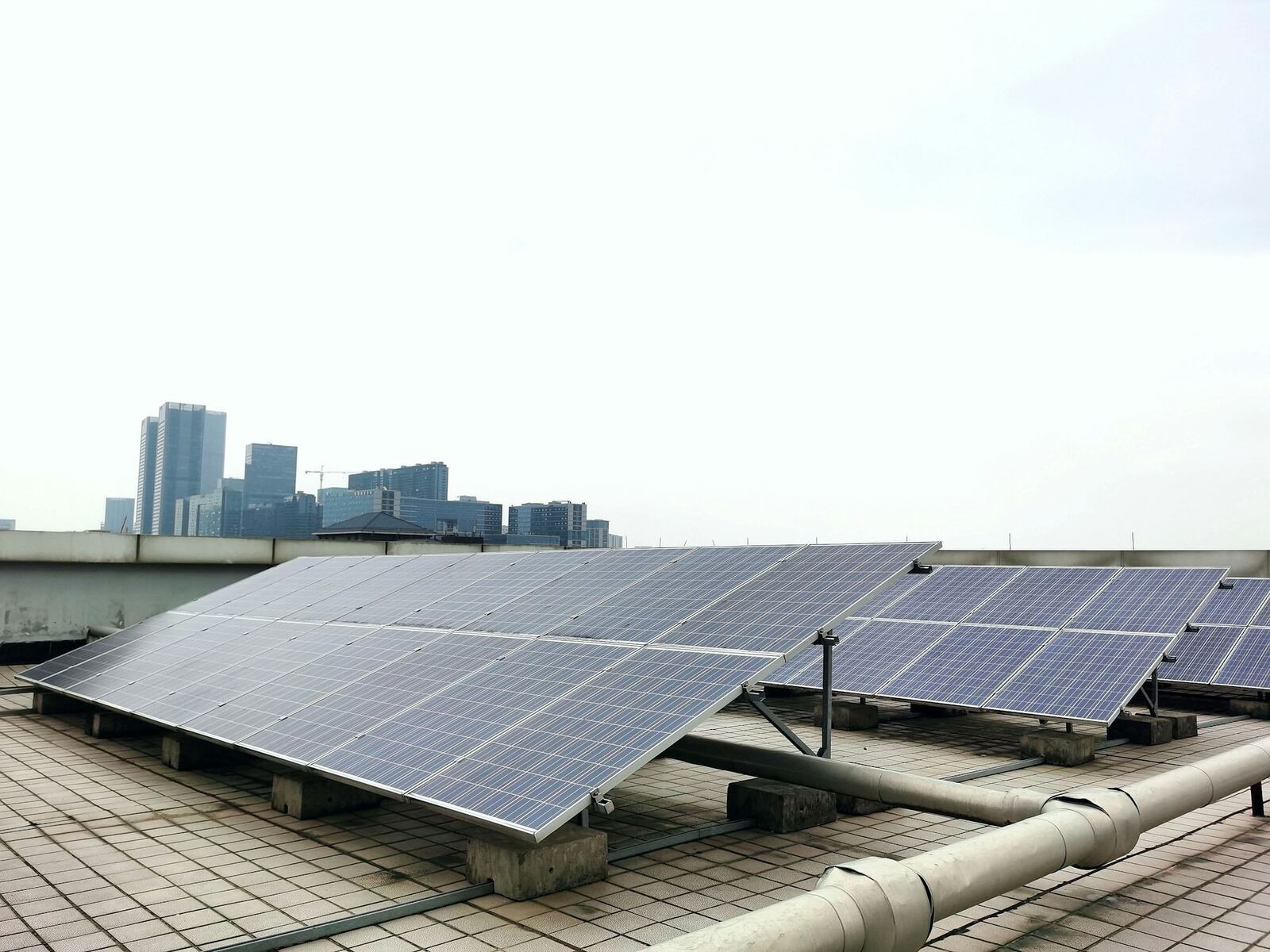
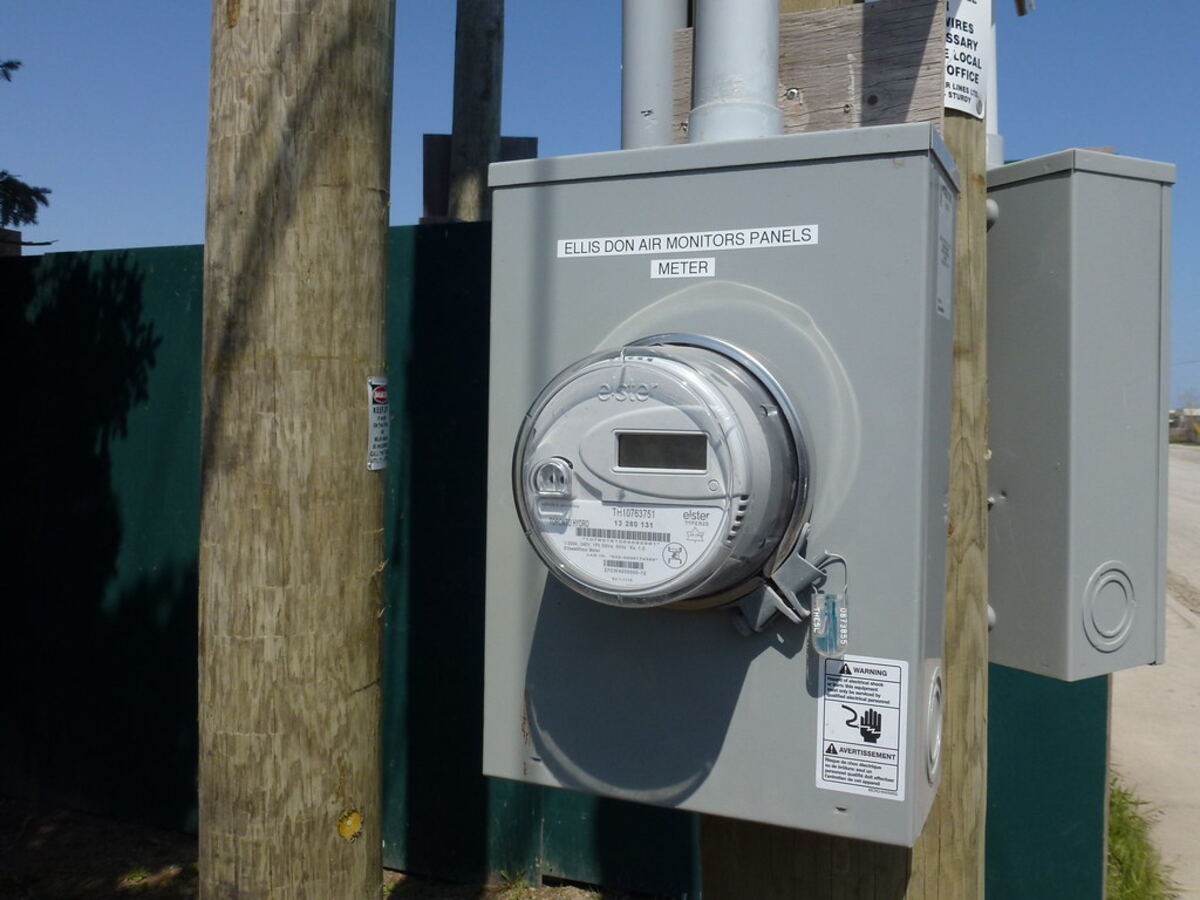
Your panels produce the most at midday, when many homes use the least. Under net metering (medición neta), CFE swaps your meter for a bidirectional one that counts both directions: energy you pull from the grid, and energy your roof pushes back. At billing time, CFE subtracts one from the other. Produce as much as you consumed? Your energy charge approaches zero.
What happens to the surplus
Months where you export more than you use generate credit that rolls forward — sunny spring months bank credit that summer air conditioning spends. Credits survive up to 12 months, so a correctly sized system smooths the whole year out.
Why DAC households win biggest
CFE subsidizes low consumption and punishes high consumption: cross the DAC threshold and every kilowatt-hour costs roughly triple. Solar attacks the most expensive kilowatt-hours first — production offsets consumption before tariffs apply, typically pulling the home back out of DAC entirely. That's why payback in 3–5 years is normal here.
The paperwork (that we do for you)
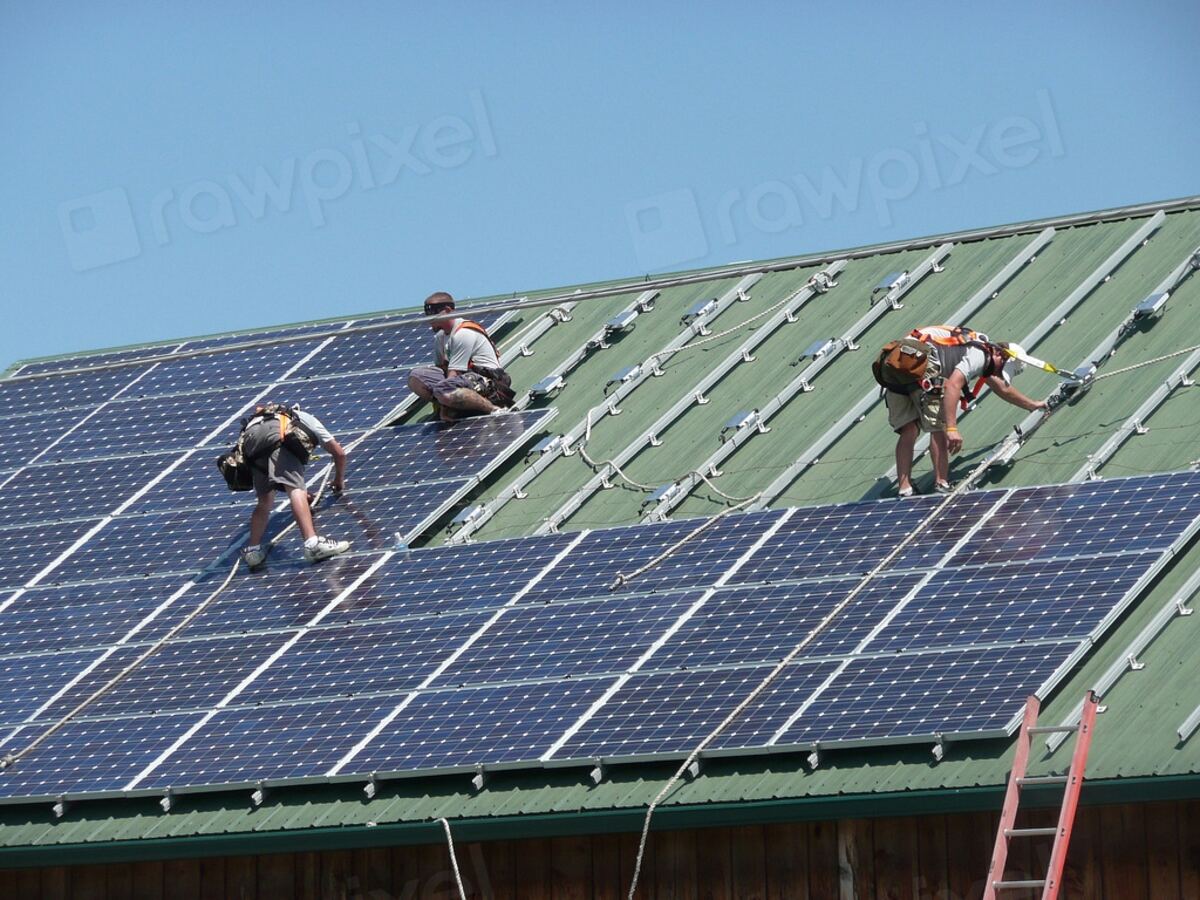
The interconnection application, the single-line diagram, the meter swap appointment — it's all part of every Solar 1 installation. You sign; we chase CFE. The system isn't "delivered" until the bidirectional meter is installed and crediting.
One thing net metering doesn't do
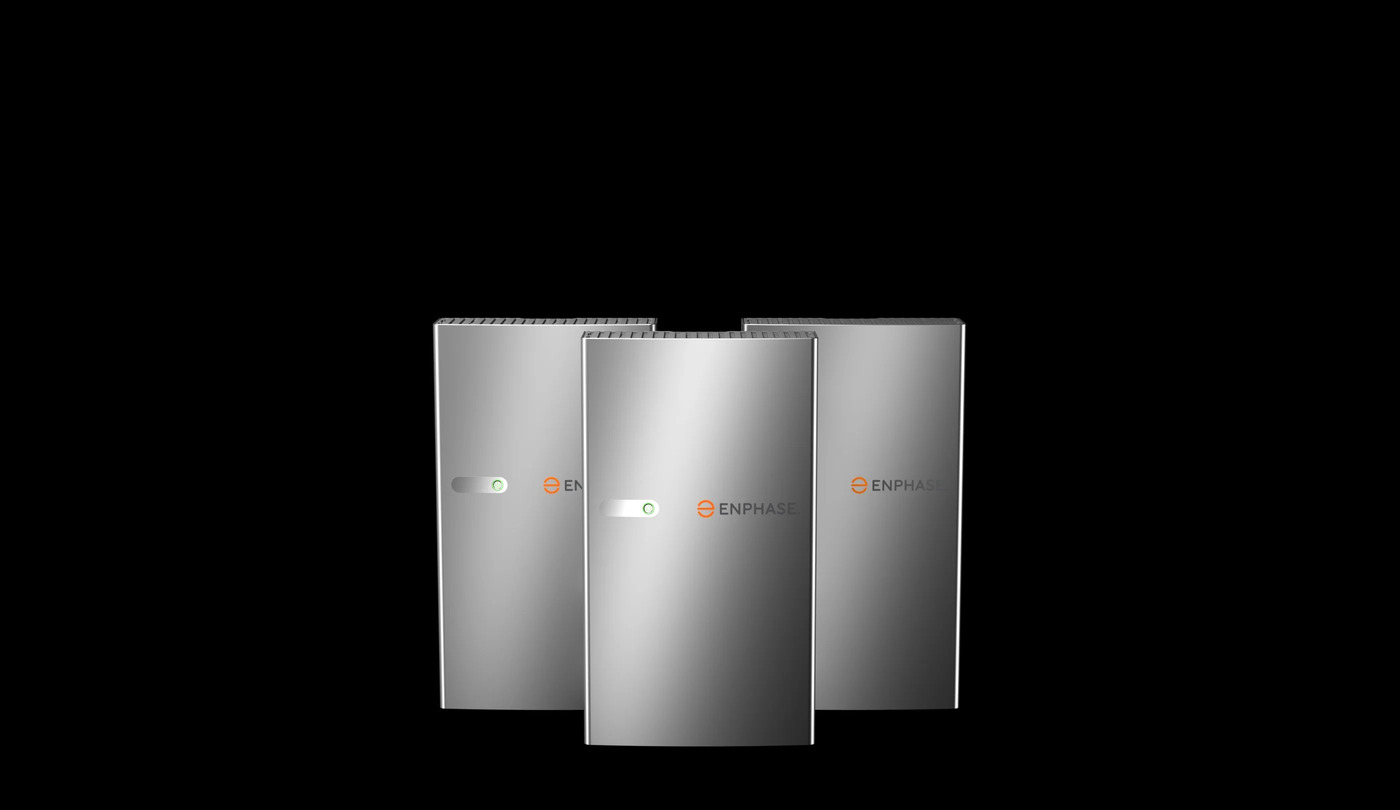
It doesn't keep your lights on during an outage — grid-tied inverters shut down when CFE drops, for lineworker safety. For that you want a hybrid inverter and battery backup. Many of our Rosarito and Ensenada clients run both: net metering for the bill, batteries for the blackouts.
Curious what net metering would do to your bill? Send it over — we'll show you the before and after.