Battery Backup vs. Generator: What Actually Works in Baja
When the power dies in Rosarito for the third time in a month, every homeowner has the same two thoughts: generator or batteries? Having installed and repaired around both, here's the honest comparison.
Transfer speed: milliseconds vs. minutes
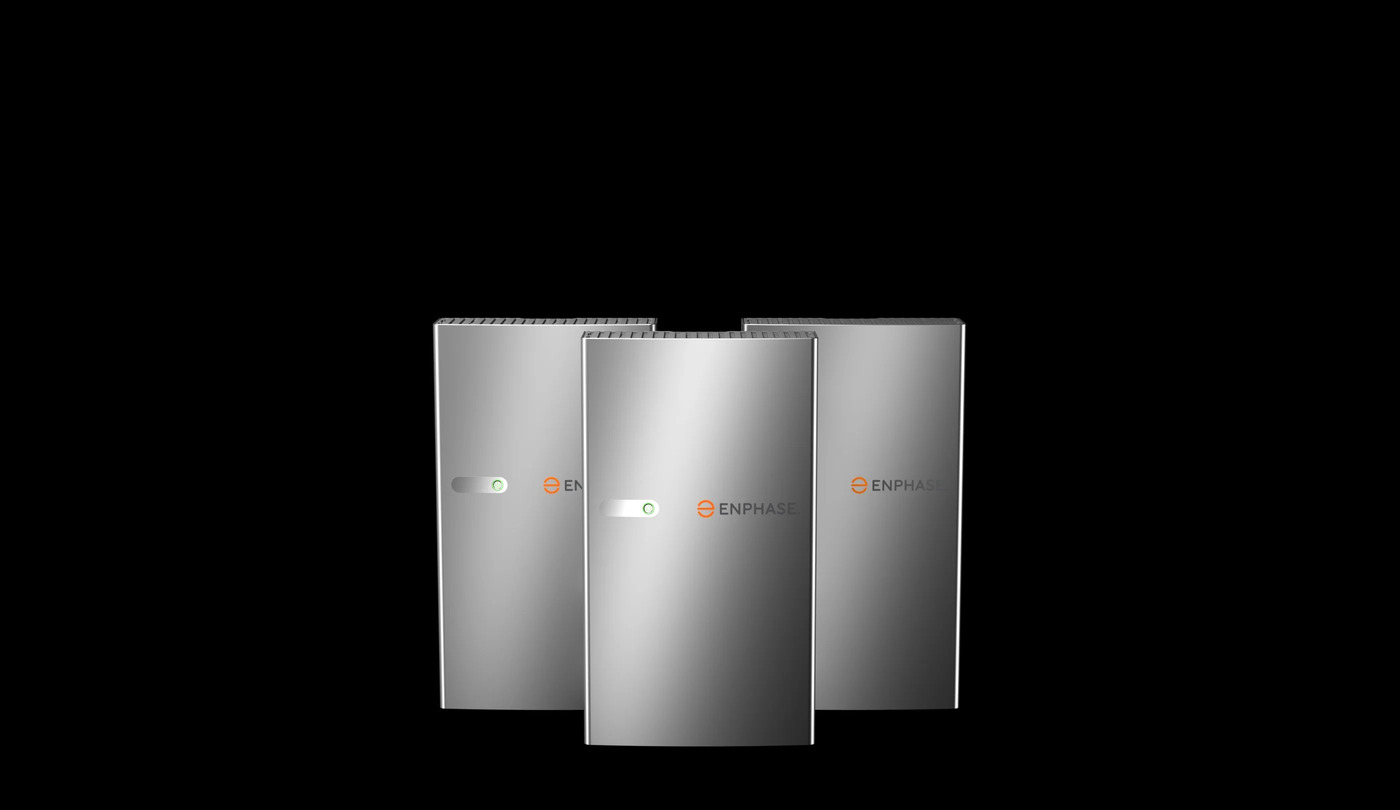
A battery system with a hybrid inverter islands your home in milliseconds — your Wi-Fi doesn't drop, your computer doesn't reboot, your cameras never blink. A generator needs to start, stabilize and switch: seconds if automatic and well-maintained, minutes (and a walk outside in the dark) if manual.
Fuel, noise and neighbors
Generators need gasoline runs, oil changes, and monthly test starts — and they announce every outage to the whole street at 70+ decibels. Batteries sit silent on a wall, recharge free from your panels the next morning, and need essentially zero maintenance. In gated communities and condo towers, silence isn't a luxury; HOAs increasingly require it.
Ten-year cost
A quality generator looks cheaper on day one. Add a decade of fuel, maintenance, and one or two repairs, and the lines cross — especially since batteries pair with solar that's already cutting your CFE bill every day, outage or not. The generator only earns its keep during blackouts; the battery system works 365 days a year.
Where a generator still makes sense
Fairness requires saying it: for very long grid failures on rural properties with no solar, a generator (or a hybrid setup with a small generator as third backup) still has a place. For everyone else on the coast, batteries win.
We size battery banks from your actual loads — fridge, internet, medical equipment, gate motor — not from a brochure. Tell us what can't go dark and we'll quote it.